

Ann Robinson talks frankly about her Jewish vegan journey…
Introduction
Firstly, what is ‘A Vegan’? It is a term which describes people who eat NO meat, dairy or animal derived foods. However, I actually prefer to describe what I DO eat – a diet centred on Whole Foods and Plants.
My transition to Whole-Food Plant-Based eating has been a journey. It began decades ago when I stopped eating beef because of the outbreak of BSE or ‘Mad Cow’ disease. Later I was sceptical that the crisis was actually over but, more than that, I questioned why I would go back to eating it when it was known to be high in saturated fat and therefore bad for my health? This pattern of questioning led me to stopping eating all red meat, then white meat and finally fish, eggs and dairy in 2019.
Over the years I have read a great deal about a healthy diet. I was always interested in the subject. I wanted to be healthy and it started to feel even more important as I got older. I wasn’t satisfied with getting information from the frequently misleading articles in the newspaper, or the latest best seller (although I did read plenty of these). I wanted to know the real truth, the science. I started on the path of discovery by reading ‘How Not To Die’ by Dr Michael Greger. Here was somebody who was led by the science alone and I was fascinated.
It opened up a new world of discovery. I read ‘The China Study’ by T. Colin Campbell. This book describes one of the most comprehensive studies of health and nutrition ever conducted by a Cornell researcher. I read books by Dr Dean Ornish and Dr Esselstyn on reversing heart disease. I watched films on Netflix such as ‘Forks over Knives’, ‘What the Health’ and ‘The Gamechangers’ and I listened to many podcasts.
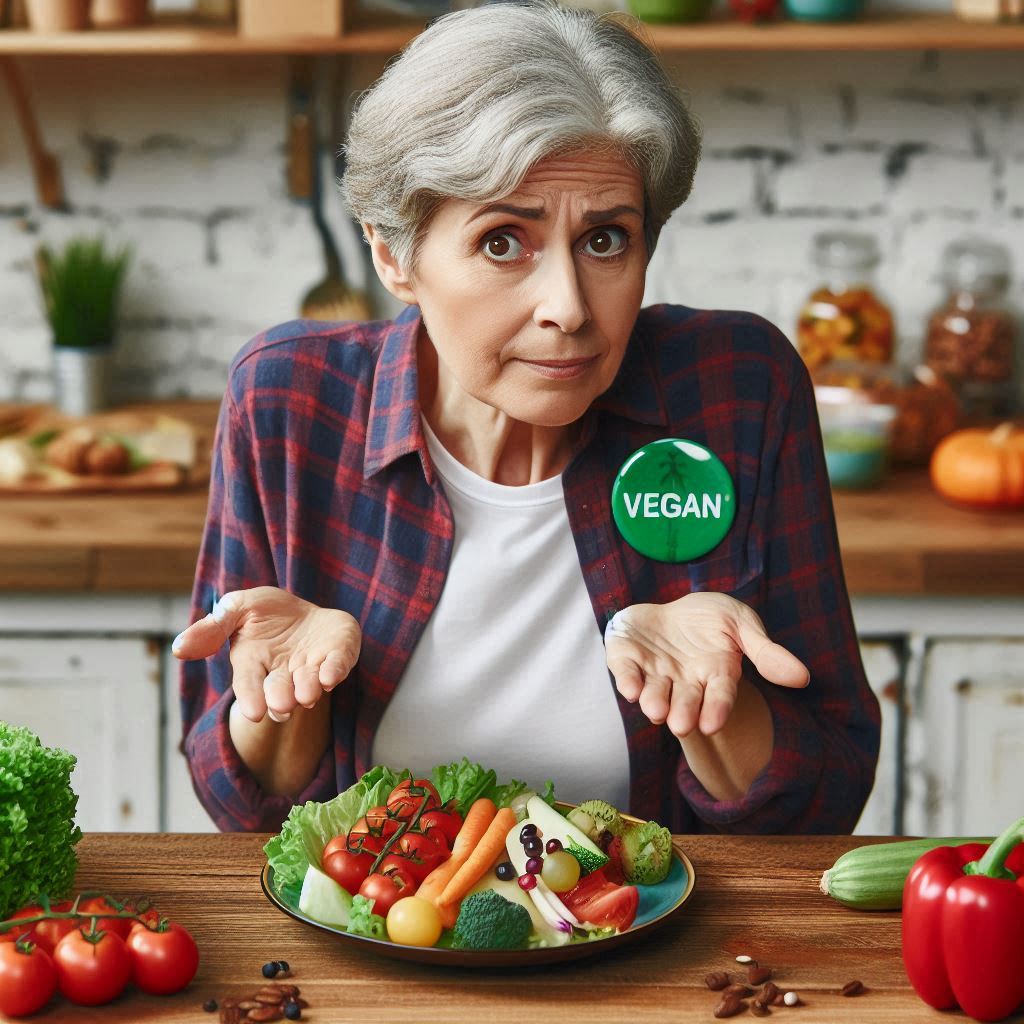
Next I completed an online university course, on Plant-Based Nutrition. The course was designed for medical professionals so was challenging in parts as my formal science education ended with ‘O level’ biology, but as a lawyer and magistrate at least I had good analytical skills! I was convinced, and remain convinced, that eating a Whole-Food Plant-Based diet (with little or no oil, sugar or salt) is the best way forward for personal and planetary health.
In many ways Planetary health is even more important than our own personal health, as without a healthy planet none of us can be healthy. Global food production and agriculture is a major driver of climatic change and what you eat is more important than where your food travelled from. I make a difference every time I lift my fork. Here are some of the things I have learned along the way….
Health
The longest-lived populations (see ‘The Blue Zones’) eat a largely plant-based diet. If research shows a clear ‘direction of travel’, then one contrary study does not invalidate all the others, so treat newspaper articles with caution. Hippocrates was right. “Let food be thy medicine and medicine be thy food”
Use reliable plant-based resources online such as PBHP. It is not hard to get enough protein. The question that everyone should ask is ‘do I eat enough fibre?
Don’t rely on your doctor to give you good dietary advice. Most doctors have little or no nutrition training. The practice of medicine frequently lags behind the evidence by many years.
Food & Lifestyle
Your mother was right – eat your vegetables! Pulses (beans peas and lentils) are great for your health. It isn’t easy being different (frankly being Jewish is good training) but that doesn’t mean I should give up. I am just ahead of my time. Change is not about ‘Giving Up’. This is a diet of abundance.
I now regularly eat a far greater variety of interesting vegetables, pulses and grains than I did when they were the side dish. Oil is not a health food – most oils are highly processed (look up Edible Oil Refining in Wikipedia). Extra Virgin Olive Oil is less processed, but I am undecided on the health benefits of adding it to a Whole-Food Plant-Based diet. I will be guided by the science (and my weight)! Vegans need B12 supplements
Environment
Eating plants (even if imported from across the world) has less impact on the environment than eating meat or dairy. Research suggests that if everyone shifted to a plant-based diet we would reduce global land use for agriculture by 75%, with beef and dairy having the largest impact. We cannot feed the world population with meat and fish and dairy, but we can with plant foods.
Animals
When you stop eating meat, fish and dairy you allow yourself to open your mind to how they are produced. Animals have emotions and feelings – why do we recognise this in pets but not in farmed animals?
This article is by necessity very superficial. I am happy to help anybody who wants to know more or make changes of their own.