


Most of us love our gardens, some just to look at and some to get more involved with! In the second of a series of articles, our very own JVN award winning horticulturalist, David Levy, who has transformed and maintains the shul garden, talks about gardening and how we can all make it even greener!
So one day you wake up and you want to do something with your garden borders, create a bit more height with your plants to maybe stop the nosy neighbours looking in or add a splash of colour to get that wow factor.
But there are rules to remember
- Is that plant right for your garden ? (not, is your garden right for that plant?)
- Is that plant right for the soil type that you have ?
- Is it the right position in the garden?
Most plants now come with pretty good labelling and you should read this carefully before buying your plants tp make sure they are the right choice for where you want it to go.
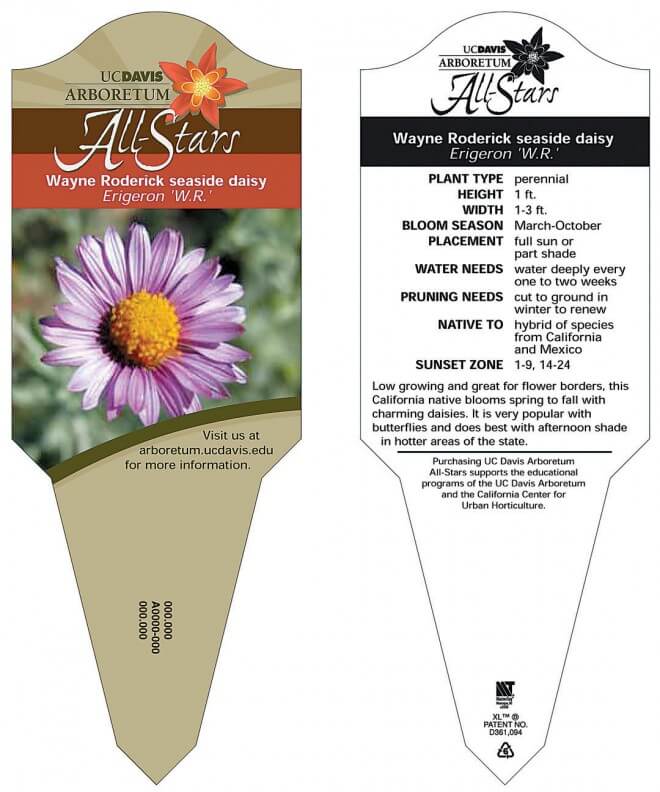
Starting with the soil: most soils around here are pretty neutral and if anything bordering slightly on the acidic side as opposed to alkaline (you can buy soil testing kits in most garden centres that will tell you what you’ve got).
Once you have discovered the plant that you want its position in the garden is going to be paramount. If you have a plant or shrub that prefers shade or light shade there’s no point in putting it in the middle of the garden in the afternoon sun as your plant won’t like it and neither will you! So a great deal of care and attention is needed whilst choosing your garden plants. Even if you find one that’s ideal for all of your conditions, sometimes the plant just doesn’t flourish, and to be honest experienced gardens also do make mistakes!
So to finding the right plant for your garden, this could be as easy as seeing something in your friend’s or neighbour’s garden or by just walking through a local park and you can see which plant catches your eye and you may think to yourself, yes, I’ve got a great spot for that plant.
If you find a plant, a shrub or bush that you like and are not sure what it is, you can download an app on your phone (I have one called “Picture This” which is free to download the basic site although I am sure others are available). Just take a picture and it will tell you what the plant is and its preferred habitat.
With all this in mind you have to decide what type of garden you want whether it’s a cottage style that uses native plants typically old-fashioned ones, maybe one with large bushes and shrubs that grow back every year or perhaps an evergreen garden.
There are so many choices, but once you have made that decision, it’s then off to a Garden Centre or even an online nursery if you prefer, as it could be a bit cheaper to buy your plants online. However it’s not a five minute job to source a plant and there have been many times when I’ve been fairly “famisched” by it all and on one or two occasions came away with nothing only more questions than the answers from the garden centre!
Now planting for the environment, we know that planting a tree extracts carbon dioxide from the atmosphere and replacing it with oxygen. Yes we’re all in favour of that. But what about helping the wildlife and in particular our insects. There has been a steady decline in garden insects over the years which is having a damaging effect on the balance of our eco system. If all the bees and butterflies disappeared it would have a disastrous knock on effect for all of us. Read more here about why insects are so important.
So, we can try and do our bit to help the environment in which we live. Helping the insects in planting pollinating shrubs and flowers will help them as well as our children and grandchildren for a healthier future.
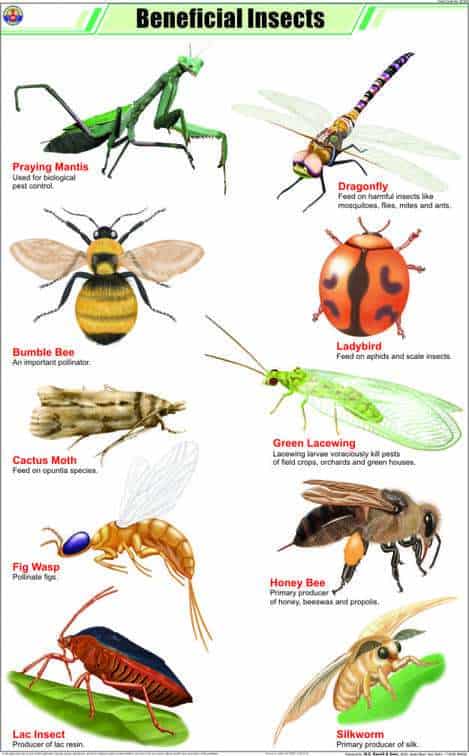
People don’t mention butterflies or moths too much, but they have an important part to play in our ecosystem. By planting a climbing flower on a fence, on a trellis or one that freely winds its way through the trees like Honeysuckle, Clematis, or Jasmine, all of these have a wonderful scent. Other shrubs such as Budleja, Foxgloves, Dahlias or even planting herbs, such as Rosemary, Marjoram, Oregano and Lavender these are a magnet for all insects. If you can’t grow any of these plants just try and introduce one or two in a sunny spot in your garden and your plants will attract bees and butterflies.
Now to the birds. I know some of us put out feeders, but if you don’t, you can help in another way by planting shrubs or flowers that, at the end of the summer /autumn season produce seeds that can help sustain the birds through the harsher weather when finding food for them gets a bit difficult. For example Sunflowers, Echinacea, Rudbeckia, Alliums, and Poppy all produce seeds and when these seeds have gone there are shrubs like Pyracanthas, Elder flower plus others that produce berries. In addition there and certain types of Roses producing rosehips. All these will feed the birds through the winter months.
Hopefully I’ve given you a few helpful tips to make our gardens lovely to look at and environmentally friendly for our local wildlife.